For My New Photo Gallery Click Here
More Photos In This Series

Monday, 19 March 2012

Beautiful Sunset

The wet and misty weather hasn’t been ideal for birdwatching lately. But it hasn’t stopped the birds enjoying themselves on the mudflats.


Watching them feeding in the sunset makes me feel very lucky to have the opportunity to relish the beautiful scenery.


Sunday, 11 March 2012

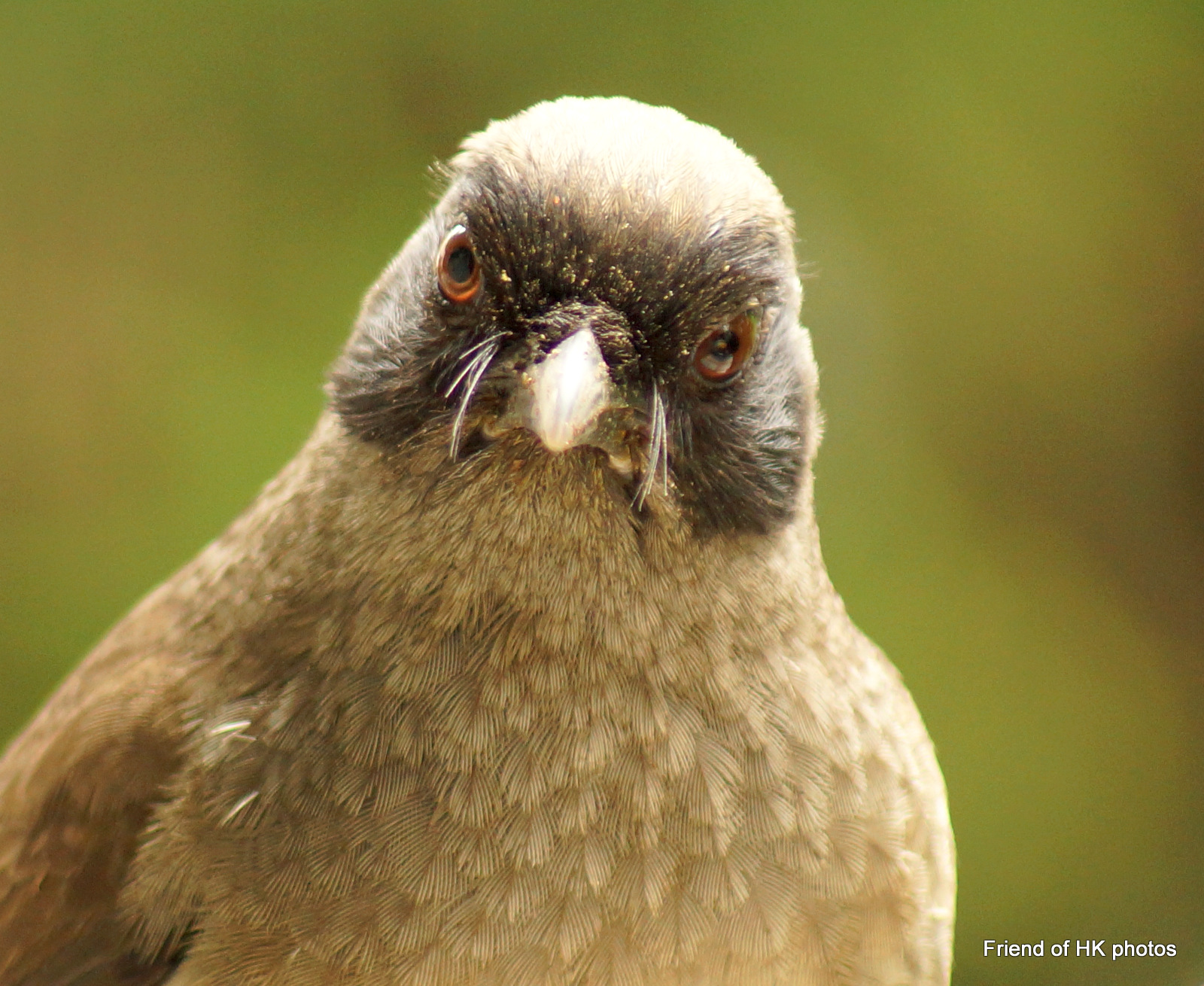
New Garden Visitor-----Masked Laughingthrush


   The cool winter days seem to stay forever and it is not often that we have as many Cold Weather Warnings at this time of the year in Hong Kong. While we humans are fed up with the cold and wet days, the birds are not very happy either. Recently, more and more birds have been coming to the garden for food and the Masked Laughingthrush (Black-faced Laughingthrush) is one of them.


Usually the Masked Laughingthrushs are shy and feed mainly on the ground on insects and fruits. Lately, they are often seen on top of papaya trees in the garden. In the last few days, they have even come to my balcony for food, giving me the chance to take closeup photos.


Actually each bird has its own unique personality as you can see from these portraits.


More Photos at Google+


Wednesday, 7 March 2012

Hunting-----Chinese Pond Heron

When the herons/egrets are hunting,  they can be too focused to take notice of their surroundings.  Occasionally they come very close to the Birdwatching Hides, providing rare opportunities for closeup photos.  


Wednesday, 29 February 2012

Dinner Time----Scaly-breasted Munia


Unlike the wintering waders, the Scaly-breasted Munia (Spotted Munia) is a Hong Kong resident.   


The size of the Scaly-breasted Munia is slightly smaller than that of a Sparrow and they mainly feed on seeds. 


   When I was passing an open grassland a couple of days ago, I saw a flock of Scaly-breasted Munias foraging for grass seeds. Watching these little birds feeding made me think that they might be much more intelligent than we have given them credit for. See if you agree with me after viewing the following pictures.
 
   To overcome the fact that most single grass stems were not strong enough to support their body weight, they grabbed several stems together with both feet for stable support.


    If a seed stem was too far away to reach, one of the feet would be used to grab/hold it.


    The youngsters are fast learners too. These juvenile birds were doing a very good job as well.


See More Photos at Google+